Publications
Pursuing Justice for Mass Atrocities: A handbook for victim groups
This handbook, published by the US Holocaust Memorial Museum, provides guidance on what victim groups can do to advance justice efforts during and in the aftermath of genocide and related crimes against humanity. This groundbreaking educational resource draws on dozens of real-life examples and expert interviews to offer practical advice and strategic insights in clear and accessible language. Written in 2021 by Sarah McIntosh and conceptualized with Anna Cave, the handbook has been translated into Ukrainian, Russian, French, and Arabic.
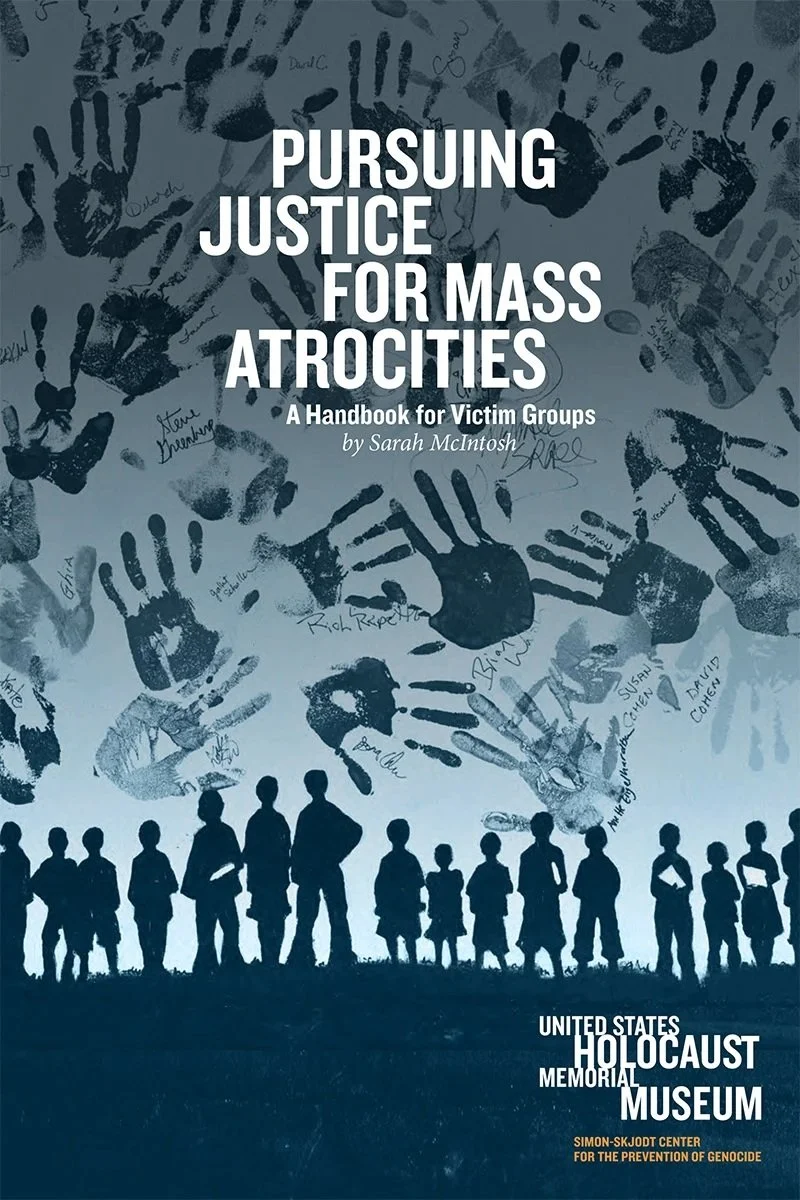
Instructional video for victim groups: Pursuing justice for mass atrocities
This video, which is intended for victim groups, explains how to use Pursuing Justice for Mass Atrocities: A Handbook for Victim Groups. It breaks down the concepts in the handbook into bite-sized chunks and uses illustrations to highlight important concepts such as how to form a victim coalition and what effective advocacy looks like. The video was produced by the US Holocaust Memorial Museum in 2023.
ProQOL: Professional Quality of Life
The Professional Quality of Life (ProQOL) tool is intended for any helper - health care professionals, social service workers, teachers, attorneys, emergency response, etc. Understanding the positive and negative aspects of helping those who experience trauma and suffering can improve your ability to help them and your ability to maintain your own wellbeing.
In 2016, the Center for Victims of Torture was given full custody of the ProQOL tools and website from Dr. Beth Hudnall Stamm. The ProQOL was originally developed by Dr. Stamm, building off of work by and collaboration with Charles Figley; CVT is grateful to them and to other contributors to the ProQOL over the years, including CVT’s former Director of Evaluation and Research Dr. Craig Higson-Smith.
New Tactics in Human Rights
All over the world people are creating new approaches to advance human rights. Innovative tactics emerge from many human rights movements – such as women’s, environmental, labor, peace and solidarity movements. These advances have been valuable for specific local struggles. Yet they are not well known outside their community or regions. CVT’s New Tactics strives to share these advances to inspire more innovation.
As a treatment center for survivors since 1985, CVT also advocates for the protection of human rights. CVT advocates from a unique position – one of healing and of reclaiming civic leadership.
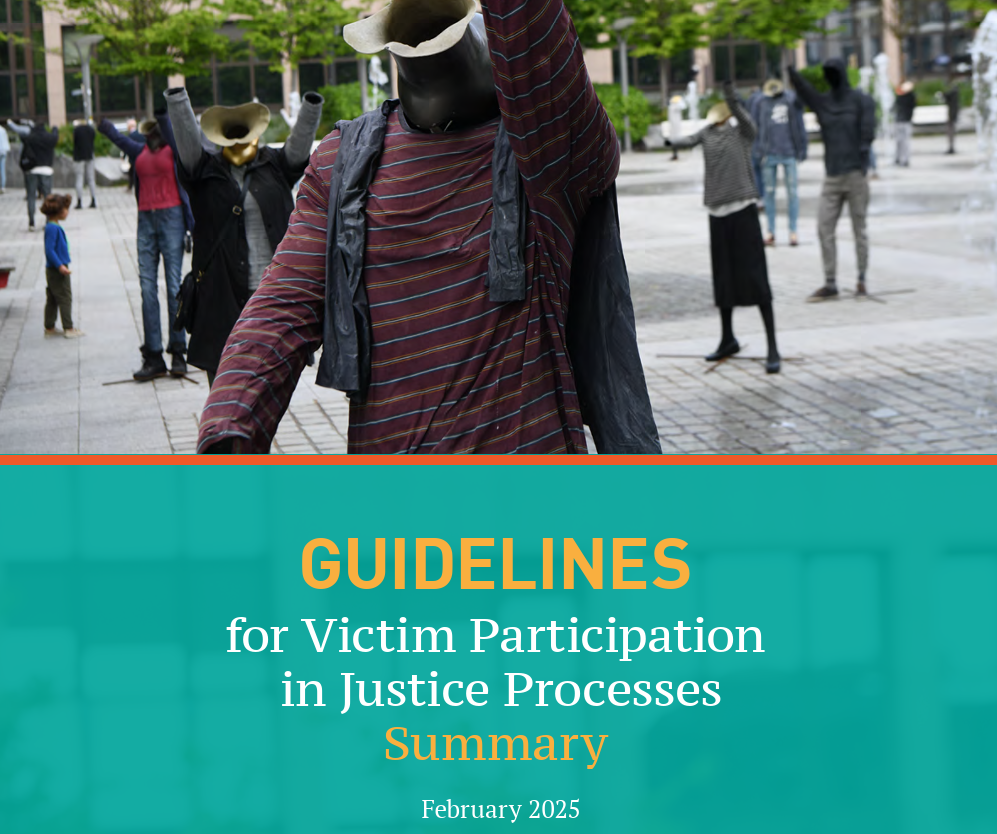
INOVAS: Guidelines for Victim Participation
Victims and survivors possess the expertise born of their struggle for justice, yet they are still excluded from decision-making.
To address this, INOVAS has developed a set of practical guidelines to ensure meaningful victim participation in transitional justice responses to human rights violations. These nine guidelines are intended for use by all individuals and organizations (governments, international organizations, and civil society) working in the transitional justice field.
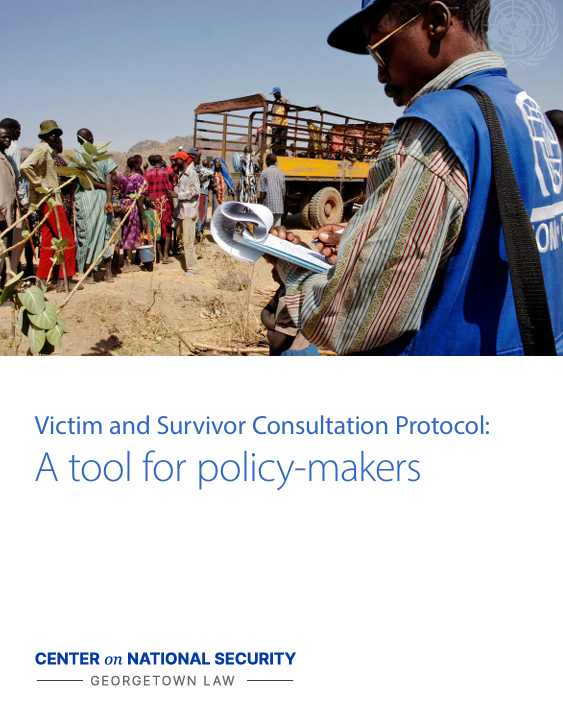
Victim and Survivor Consultation Protocol
This Protocol is a tool for policy-makers on how to incorporate victims’ and survivors’ perspectives into a comprehensive and transformational justice process. The Protocol focuses on victim and survivor consultation as a critical—but under-explored and frequently neglected—component of a victim and survivor-centered, evidence-based, trauma-informed approach to justice. It provides a practical guide for those responsible for designing, implementing, funding, and evaluating a range of justice measures on how to prioritize, support, coordinate, and manage meaningful consultations of victims and survivors about their justice perspectives, needs, priorities, and expectations. “Victim consultation” goes beyond ad hoc engagement with victims or their civil society partners; instead, it is a process of reciprocal learning. The Protocol was written by Sarah McIntosh and Anna Cave.
ARC webinar series on victim and survivor consultation
This four-part webinar series explored survivor-centered, trauma-informed approaches to victim consultations in transitional justice processes. This series is for policymakers, civil society and advocacy groups, researchers, survivor leaders, and others working in, with, or for communities affected by conflict and atrocities.
Part 1 explores victim-centered policymaking in the context of justice for atrocities
Part 2 explores communication, trust-building, and transparency strategies to ensure safe, empowering survivor engagement
Part 3 explores best practices for survivor-led initiatives and features first-hand accounts from survivors
Part 4 explores tools for ethical, participatory research and data analysis that reflect survivor priorities